WINTER
Catch the nutrients
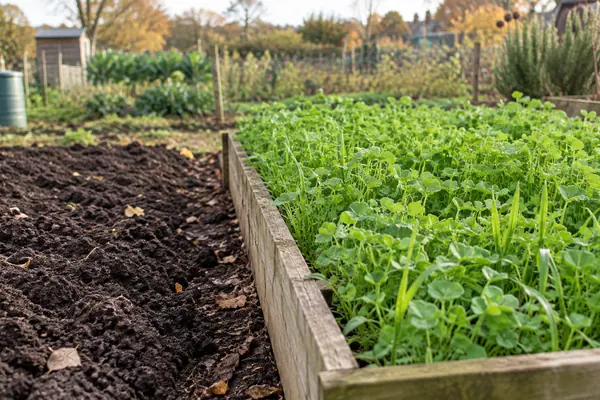
The RHS says to sow green manures in late summer or autumn to mop up nutrients and stop winter rain washing them away. Dug in next spring, they give them back.
Pick a cover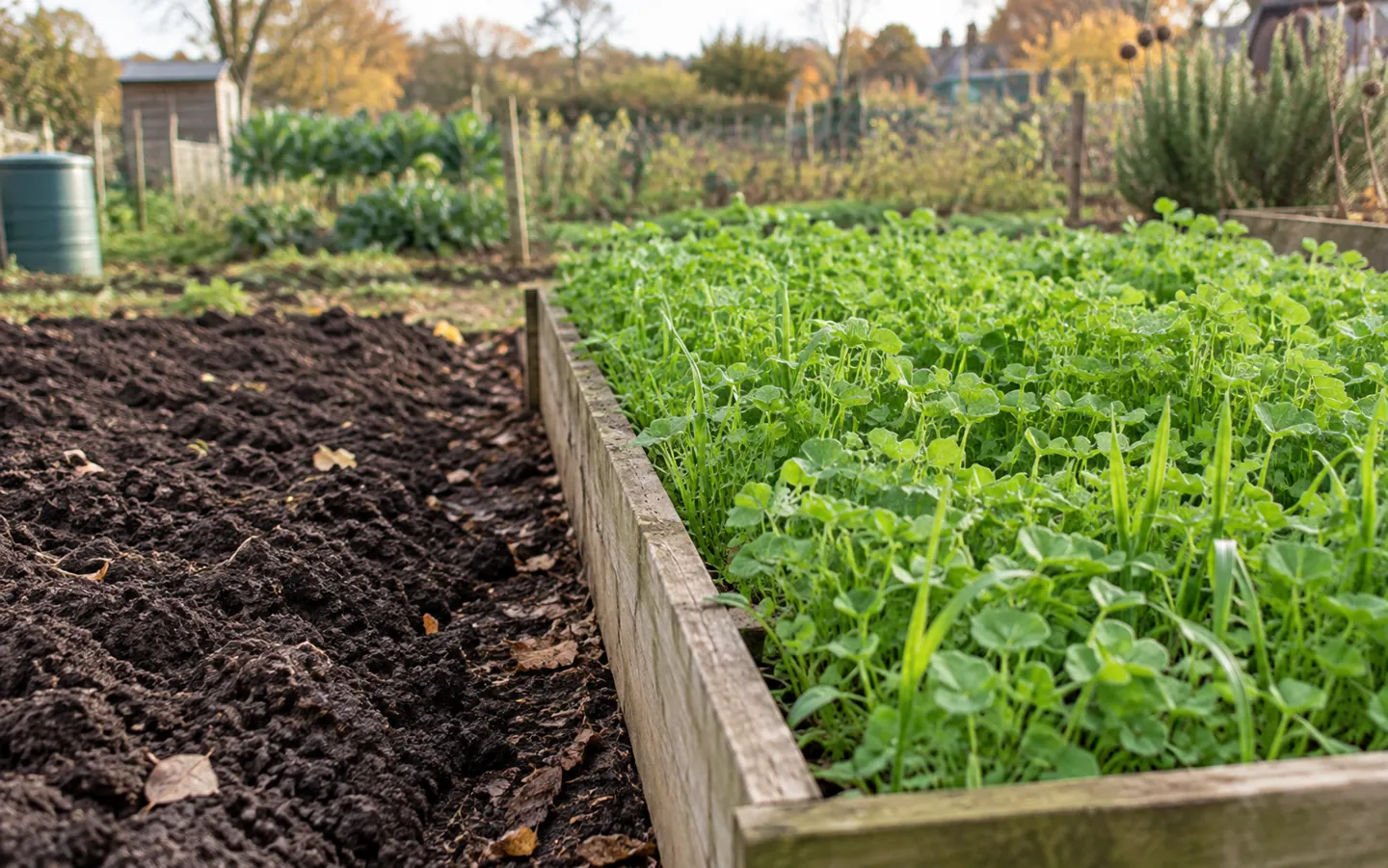
WHAT THE GROWERS' GUIDANCE SAYS
SOW LATE SUMMER dig in next spring
AI-generated image, not a photograph of a real person or place.
A cover crop is a crop for the soil.
Green manures are plants you grow not to eat but to protect the ground between crops. They hold on to nutrients that winter rain would wash away, then give them back when you dig them in.
THE SHORT ANSWER
Bare soil loses what it holds.
A green cover keeps it.
WINTER
The RHS says to sow green manures in late summer or autumn to mop up nutrients and stop winter rain washing them away. Dug in next spring, they give them back.
Pick a coverWILDLIFE
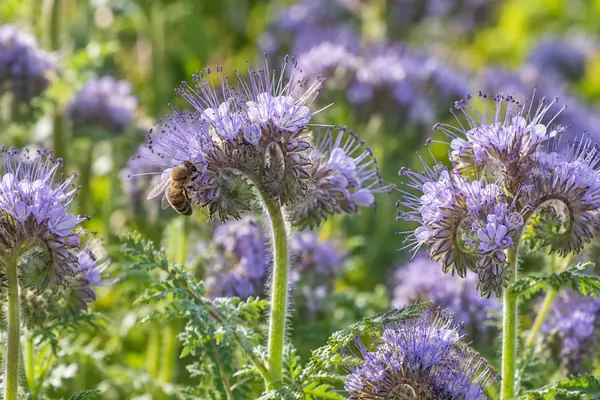
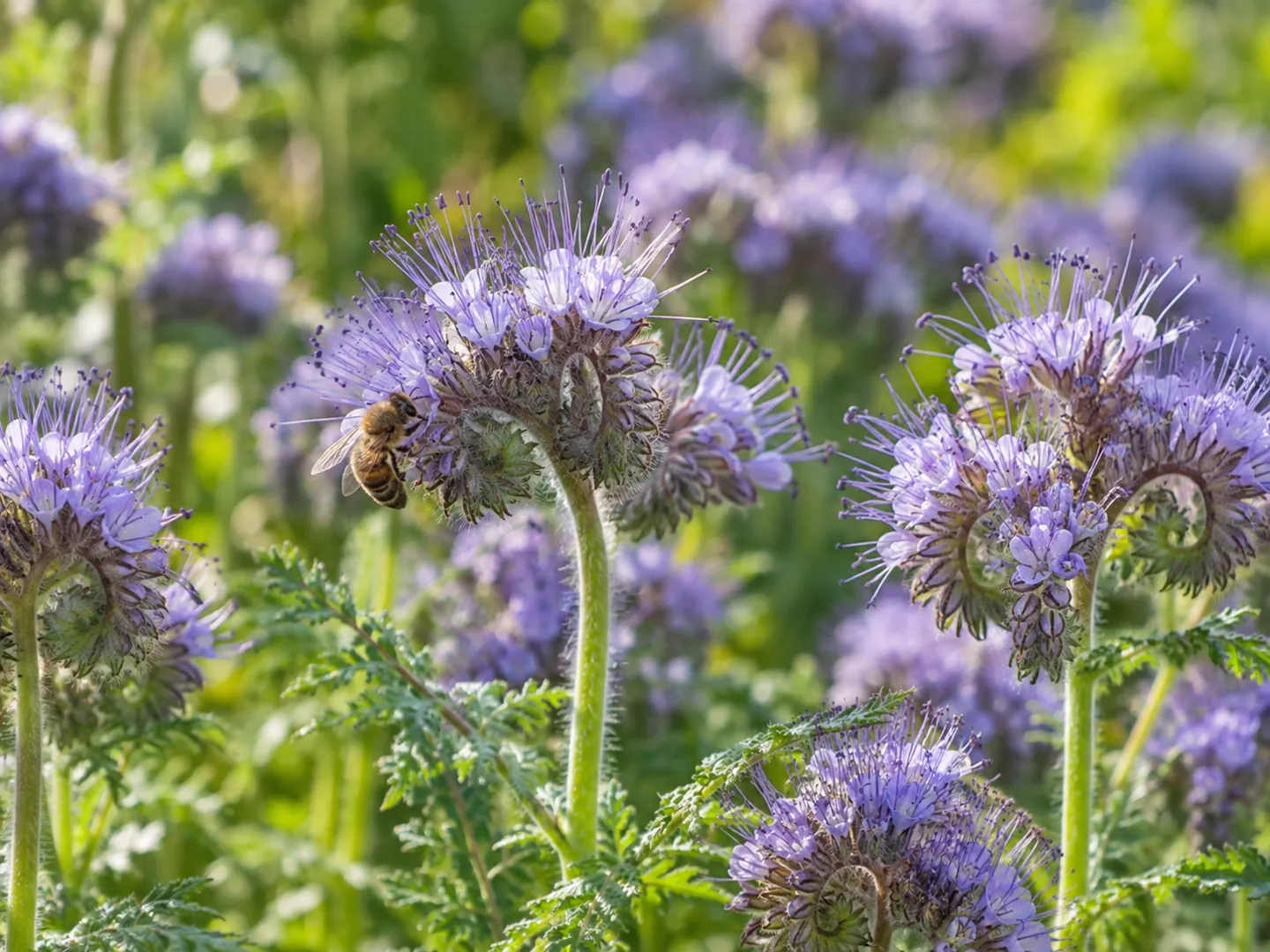
Covered soil is much better for wildlife than bare ground. Phacelia flowers attract pollinators, and dense cover may draw in frogs and toads that eat slugs.
Choosing plantsDIGGING IN
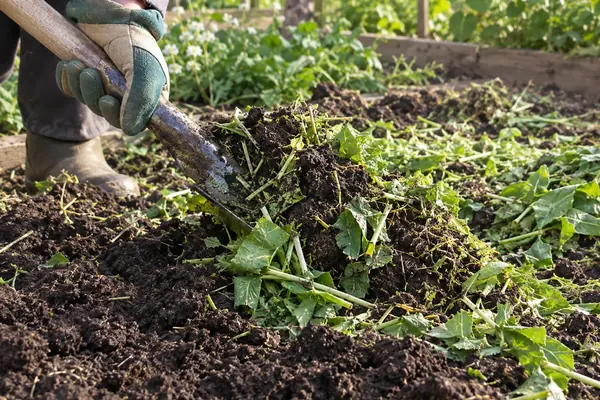
Chop the plants, dig them into the top 25 cm of soil and wait a month before sowing or planting: decaying green material can hold back new growth.
How to do it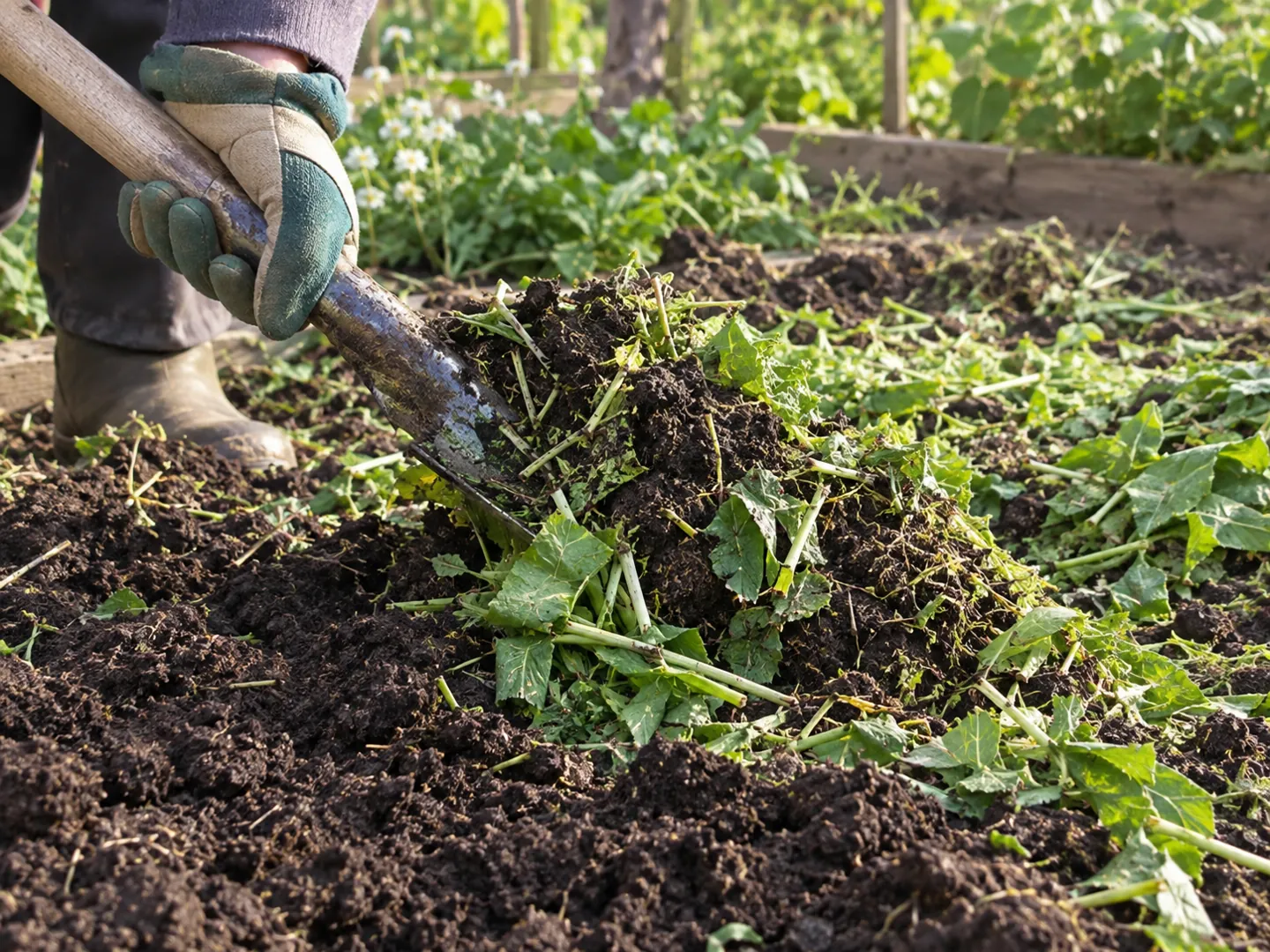
FOUR STEPS FOR A BARE BED
No fertiliser needed, and seed is cheap and easy to find. Here is the RHS method in four steps.
Scatter the seed evenly over the bed and rake it in. Close sowing gives the cover you need to smother weeds.
Keep seedlings watered in dry spells until they establish. After that, the cover looks after itself.
Cut it down and let it wilt. Chop or shred the foliage so it breaks down quickly in the soil.
Work it into the top 25 cm of soil and wait a month before you sow or plant the next crop.
TWO NUMBERS WORTH KNOWING
Two UK field trials on farms,
measuring what drains away under a cover.
75–88%
Cut in nitrate leaving field drains
In a Defra-funded Norfolk trial, an oilseed radish cover crop reduced nitrate leaching losses discharging into the river by 75% to 88%, and soil nitrate at 60–90 cm deep by 77%.
RIVER WENSUM TRIAL · UEA / DEFRA
up to 90%
Nitrate leaching, cover crop vs weedy stubble
Trials on farms in Hertfordshire and West Sussex found cover crop mixes cut nitrate leaching by up to 90% compared with weedy stubble, and added up to 35 kg of soil nitrogen per hectare the next spring.
NICCS PROJECT · ADAS
England's Sustainable Farming Incentive now pays farmers for multi-species winter cover crops, to protect the soil surface and minimise nutrient leaching, soil erosion and runoff.
A QUICK COVER CHECK
Pick the gap you need to fill. The value is a green manure the RHS suggests for it; the bar shows how long it typically stays in the ground.
Based on RHS advice on green manures. Sowing windows vary with region and weather.
CHOOSING YOUR PLANTS
The RHS says mixtures are likely to be more effective than one plant alone. A homemade late-summer mix of bristle oats, crimson clover and phacelia works well.
Legumes such as clovers, vetches and field beans can fix nitrogen from the air, but only in summer. Brassica and legume covers belong in your crop rotation, as they share diseases with vegetables in the same families.
In conversation
A green manure is a crop grown to benefit the soil rather than to eat. It covers bare ground between crops, protects the soil and returns nutrients when it is dug in.
Most are sown in late summer or early autumn so they cover the soil over winter, then dug in the following spring. Fast summer covers such as mustard, phacelia and buckwheat fill shorter gaps.
Legumes such as clovers, vetches and field beans can fix nitrogen from the air in their root nodules, but the RHS notes they only do so in summer. Fenugreek is unlikely to fix nitrogen in the UK.
Dense cover can shelter slugs and snails, brassica covers can encourage clubroot, and decaying plants can hold back new sowings, so wait a month after digging in.
Yes. The RHS suggests sowing bristle oats in late summer and covering them with cardboard in spring, so the foliage composts in place.
Each figure on this page comes from the sources below.
ABOUT THIS NAME
doodlecovers.com is part of the DoodleSale portfolio. It isn't in an auction right now, but you can ask about leasing it.